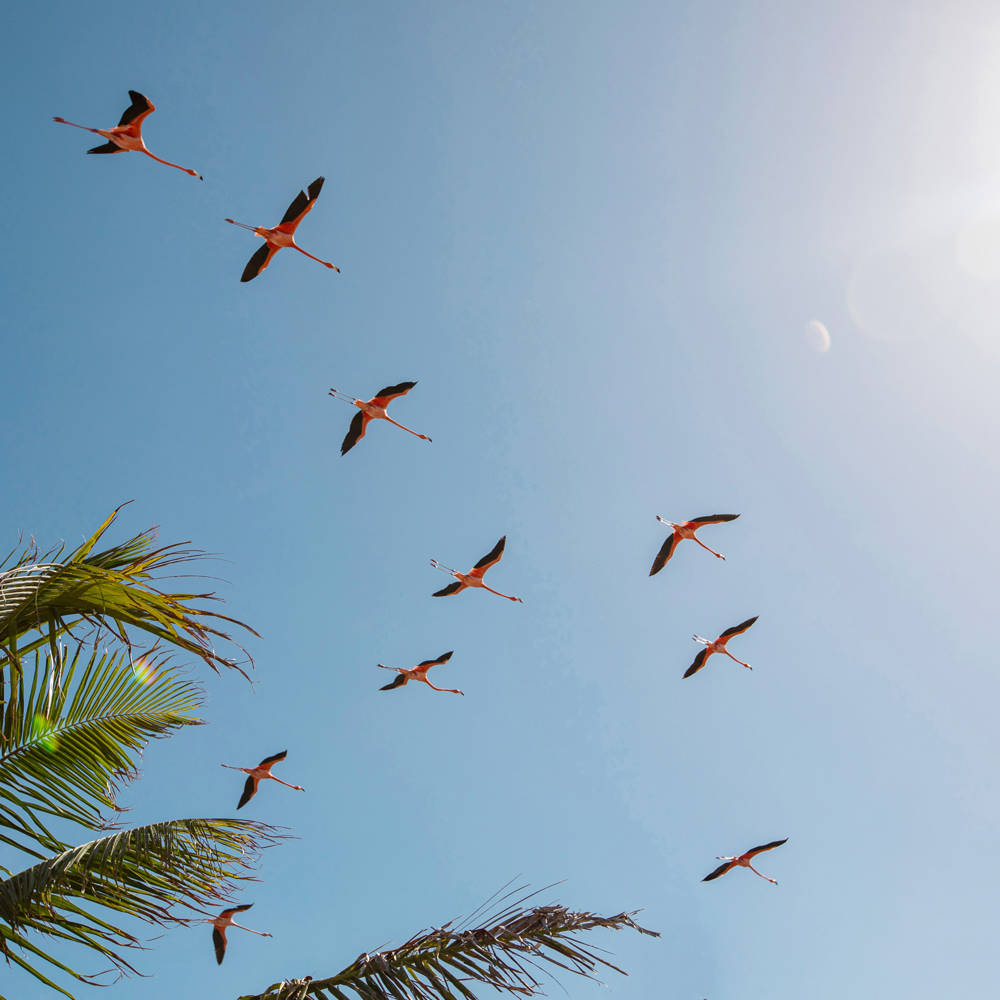


The rainy season safari
Newborns, green plains and nobody else around
Most travellers book safari for the dry season. We understand: dusty plains, thinning bush, animals queuing impatiently at waterholes. But anyone who has been on safari when the rains arrive will tell you, usually in a slightly smug whisper, that something rather magical happens when the landscape turns green.

The rainy season, or green season, is one of the most rewarding times for an African safari. It brings newborn animals, lush landscapes, migratory birds, big skies and far fewer vehicles at sightings. And the rain itself? It usually arrives in short, theatrical bursts rather than all-day drizzle, leaving plenty of time for game drives, and for watching the clouds roll in with a G&T in hand.
Here's when the rainy season falls at each of Virgin Limited Edition’s three African safari homes, and why it might just be the best time to go.
When is the rainy season at each property?
- Mahali Mzuri, Maasai Mara ecosystem, Kenya: short rains around November to December, long rains around April to May
- Ulusaba, Sabi Sand, South Africa: summer rains, roughly November to March
- Finch Hattons, Tsavo, Kenya: short rains around November to December, long rains around April to May, though lighter and shorter in this drier corner of Kenya
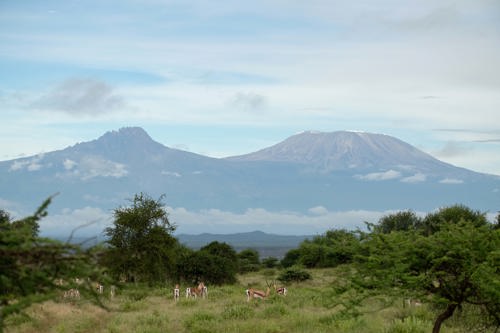
What is the green season?
The green season is the safari industry's name for the rainy months. Rain refreshes grasslands and waterholes, many animals give birth, migratory birds arrive and the bush puts on its finest emerald outfit. In East Africa, Kenya has two rainy seasons: the short rains and the long rains. In South Africa's Lowveld, where the Sabi Sand sits, the rains fall in the southern hemisphere summer.
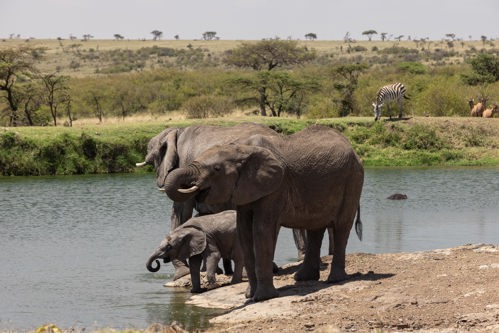
Mahali Mzuri: the Maasai Mara, minus the queues
When is the rainy season at Mahali Mzuri? The Maasai Mara ecosystem has two: the short rains, usually around November to December, and the long rains, usually around April to May.
Yes, the Great Migration is the Mara's headline act, but when the herds move on, the Mara's year-round residents stay put: lions, leopards, cheetahs, elephants, giraffes and the rest of the cast. Think of it as the afterparty, with better conversation.
Mahali Mzuri sits within the Olare Motorogi Conservancy, a private wilderness bordering the Maasai Mara National Reserve. Its 12 tented suites perch on the side of a lush valley overlooking rolling plains, and in the green season those plains really earn the word lush. Conservancy guidelines keep vehicle numbers low at sightings, so you're far more likely to share a pride of lions with nobody but your guide.
Green season highlights at Mahali Mzuri:
- Resident big cats against fresh green backdrops (photographers, take note)
- Big, brooding skies rolling over the plains, best enjoyed from your tent
- Clear, dust-free air after the rain, with sunsets to match
- A quieter Mara, when the conservancy feels like your own private reserve
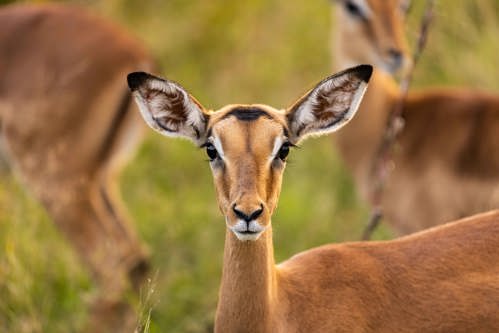
Ulusaba: nature's maternity ward
When is the rainy season at Ulusaba? Sabi Sand's rains fall in the South African summer, roughly November to March, peaking in the middle of that window.
If you have ever wanted to see a baby impala take its first wobbly steps, this is your moment. Late spring into early summer turns the Sabi Sand into nature's maternity ward, with newborns at every turn and predators paying very close attention. By January the wildflowers are in full bloom, and birdlife is at its most theatrical, with migratory species returning and a daily dawn chorus that is far better than any alarm clock.
The bush is thicker in summer, which can make wildlife a little harder to spot. Happily, the Sabi Sand allows off-road driving, so Ulusaba’s trackers and guides can follow a leopard into the undergrowth rather than waving goodbye from the track.
And then there's the sky. Watching the summer clouds build over the bushveld from Rock Lodge, perched high on its granite koppie, is one of those experiences that justifies the entire trip. Prefer to be closer to the action? Safari Lodge and Cliff Lodge put you right on the river, where the animals come to you.
Green season highlights at Ulusaba:
- Newborn impala, wildebeest, warthogs and more, plus the predators who follow them
- Migratory birds, from bee-eaters to kingfishers, alongside resident raptors
- Wildflowers and a bush that glows green
- Dramatic summer skies from the lodge deck

Finch Hattons: Tsavo, barely bothered by the rain
When is the rainy season at Finch Hattons? Tsavo follows Kenya’s two-season rhythm, with short rains around November to December and long rains around April to May. This is one of the drier corners of the country, though, so the showers tend to be lighter and shorter than in the Mara.
That makes Finch Hattons the green season’s best insurance policy. Its 17 tented suites sit above natural springs beneath the Chyulu Hills, with hippos bathing below your deck and, on clear mornings, Mount Kilimanjaro looking close enough to touch.
The Chyulu Hills are where the green season really shows off. Their ancient cloud forest, draped in orchids, ferns and mosses, is at its most lush after the rains, and watching the sun rise over it is worth every minute of lost sleep. Down below, green shoots push up through the black, folded rock of the Shetani lava flow and the birdlife goes into overdrive.
Green season highlights at Finch Hattons:
- Lighter, shorter rains than much of Kenya
- A guided hike through the Chyulu Hills cloud forest at its greenest
- Hippos bathing below your deck at the springs
- Kilimanjaro views on crisp, clear mornings
Five reasons to choose a rainy season safari
- Baby animals: the green season is birthing season for many species, and the drama that comes with it.
- Fewer people: most travellers stick to the dry season, so sightings feel more private.
- Better light and air: rain clears dust from the sky, giving crisp views, vivid colours and spectacular sunsets.
- Birdlife at its best: migratory species arrive and resident birds put on their breeding finery.
- Landscapes at their greenest: plains, bushveld and even Tsavo's lava fields turn a shade of green you'll struggle to believe in your photos.
What to pack for a green season safari
- A lightweight waterproof jacket
- Quick-drying layers in neutral colours
- A dry bag or cover for your camera
- A sense of adventure (non-negotiable)

Rainy season safari FAQs
Does it rain all day during the green season?
Usually not. Rain in the green season tends to arrive as short, heavy showers, often in the afternoon, with plenty of sunshine in between. Game drives typically run as normal.
Is wildlife harder to see in the rainy season?
Thicker vegetation can make some animals harder to spot, and wildlife spreads out when water is plentiful. Experienced guides, private conservancies and off-road driving make a big difference.
When is the green season in Kenya?
Kenya has two rainy seasons: the short rains, around November to December, and the long rains, around April to May. Exact timing varies each year.
When is the green season in South Africa's Sabi Sand?
The Sabi Sand's rainy season falls in the southern hemisphere summer, roughly November to March.
Is the Maasai Mara worth visiting outside the Great Migration?
Yes. The Mara's resident wildlife, including lions, leopards, cheetahs and elephants, stays year-round. Private conservancies such as Olare Motorogi, home to Mahali Mzuri, offer excellent sightings with fewer vehicles.
Can I combine Mahali Mzuri and Finch Hattons in one trip?
Yes. Both are in Kenya, so a combined itinerary pairs the Maasai Mara's big cats with Tsavo's volcanic landscapes and Kilimanjaro views. Our reservations team can help plan the route.
Ready to see Africa in green?
Whether you're drawn to the big cats of the Maasai Mara, the newborns of the Sabi Sand or the springs of Tsavo, the rainy season might just be your favourite safari yet. Get in touch with our reservations team to plan your green season escape at Mahali Mzuri, Ulusaba or Finch Hattons or explore more here.


Even more inspiration
How to find the perfect safari: from South Africa to the heart of Kenya
There’s something undeniably magical about going on safari in Africa: the thrill of tracking wildlife through untamed wilderness, the serenity of sundowners under acacia trees, and the sense of awe that comes from being truly immersed in nature. But with so many incredible destinations across the continent, how do you choose the perfect luxury safari?

Beyond the game drive: How to fill every glorious hour of your Kenya safari stay
A luxury Kenya safari is about far more than the thrill of the game drive. At Mahali Mzuri in the Maasai Mara ecosystem and Finch Hattons in Tsavo West, every moment between wildlife encounters is an adventure in itself, from soaring above the savannah in a hot air balloon and hiking ancient volcanic landscapes to stargazing with Maasai guides and raising a glass at sunset with a champagne sundowner. These extraordinary experiences transform a safari from a wildlife holiday into a journey of discovery, connection and wonder.