

The ultimate Mallorca food guide
Olive oil, honey, wine & the island's tastiest secrets
Most hotels hand you a welcome cocktail. Son Bunyola Hotel & Villas hands you a landscape. Up in the Tramuntana mountains, where the dry-stone terraces tumble down toward an impossibly blue Mediterranean Sea, this 810-acre Virgin Limited Edition estate has spent the last few years quietly turning itself back into a working Mallorcan farm: olive groves coming back into fruit, beehives humming away in the undergrowth, and a vineyard that has just released its very first bottled vintage in over a century. It makes for an unusually delicious home base.
From here, the rest of the island reads like one long, edible adventure. This is your guide to the products and delicacies that make Mallorca one of the Mediterranean's most underrated food destinations, no restaurant reservations required.

Liquid gold: Mallorca's olive oil
Olive trees have been bossing this landscape around for over a thousand years, and the terraces at Son Bunyola Hotel & Villas were literally built, stone by stone, to hold them. The island's oil carries its own Denominación de Origen, Oli de Mallorca, pressed mainly from the native Mallorquina olive alongside Arbequina and Picual, and it tends to taste fruity and faintly almondy with a peppery kick at the back of the throat. Son Bunyola's own groves, replanted as part of the estate's agricultural revival, are now bearing fruit again, meaning the oil drizzled over your breakfast tomatoes may well have come from trees you can see from the terrace. The estate's historic tafona, the old stone olive mill, has been beautifully restored, and its bones tell you everything about how seriously this island takes its oil: an ingredient treated less like a condiment and more like a birthright.
The hive mind: wild honey
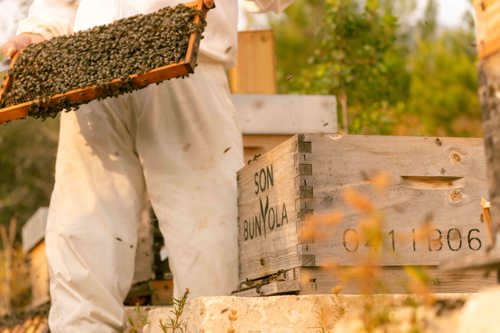
Somewhere among the citrus and almond trees on the estate, a small army of bees has been quietly building Son Bunyola's most charming product line: its own honey. Mallorcan honey takes its character from whatever's blooming nearby, orange blossom, wild rosemary, carob, and the estate's beehives produce a version that's pure liquid sunshine, drizzled over yoghurt at breakfast or paired with local cheese. Beekeeping has deep roots here, long predating the current wave of luxury hospitality, and there's something rather lovely about a five-star estate taking its cues from an insect that's been farming these hills for centuries longer than anyone with a hotel brochure.
For anyone who'd rather meet the talent themselves, Son Bunyola Hotel & Villas runs its own Meet the Bees experience, a guided introduction to the beehives now buzzing away across the grounds since the first harvest in October 2023. Guests get the full backstage tour, suiting up to get properly close to the hives, before heading back to the hotel for a honey tasting that puts the orange blossom and wild rosemary notes into context. It's the rare luxury activity that comes with zero risk of post-massage drowsiness and a very real chance of getting mildly buzzed in the most wholesome way possible.
Tradition revived: Son Bunyola's first bottled Malvasia in over a century
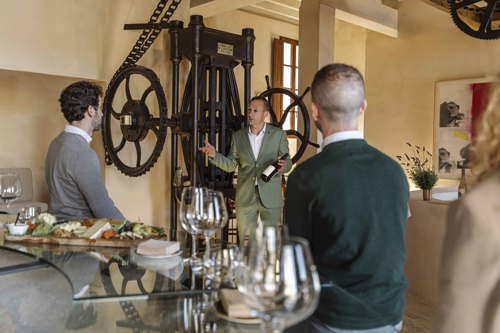
Here's the headline act. Son Bunyola's vineyard has a genuinely dramatic backstory: Malvasia grapes were first recorded on this exact land in 1275, the estate was a respected wine producer through the 19th century, then phylloxera and time did what they do, and the vines fell silent for a hundred-odd years. Not anymore. The estate has replanted its vineyard with the local Malvasia variety and, working with a nearby winery, has just released its first own-label bottling in over a century, a quietly thrilling moment for anyone who likes their wine with a side of history. Beyond the estate gates, the island's wine renaissance is in full swing too, with DO Binissalem and DO Pla i Llevant leading a revival built on native grapes like Manto Negro, Callet and, of course, Malvasia, once prized across Europe and now finally getting its overdue comeback tour.
For a closer look at how the bottle actually happened, guests can join Son Bunyola's sommelier for a stroll through the vineyard itself, walking the rows where this whole comeback started before settling in for a proper tasting in one of the estate's more scenic corners. It's a sip, swirl and learn kind of hour, equal parts history lesson and very good excuse for a glass of wine with a sea view.
Sobrassada: the spreadable superstar of Mallorcan charcuterie
If Mallorca had to pick one product to put on its passport stamp, it would probably be sobrassada. This soft, almost spreadable cured sausage is made from minced pork seasoned generously with pimentón, giving it a deep brick-red colour and a gentle smoky warmth. Sobrassada is endlessly versatile: smeared thickly on warm bread, melted into rice dishes, baked into pastries, or stirred into a sauce to round it out. It sits in that rare, glorious category of foods that function as both ingredient and finished delicacy.
Ensaimada: Mallorca's most photogenic pastry
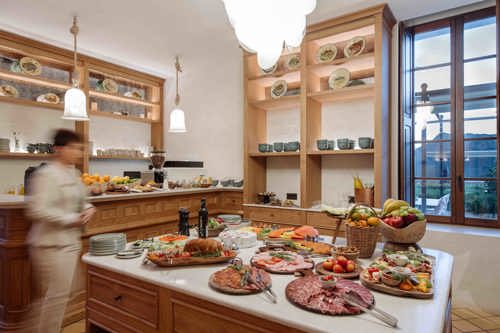
Few pastries are as instantly recognisable as the ensaimada, a coiled spiral dusted in powdered sugar that looks almost too pretty to eat (eat it anyway). Its name comes from saïm, the lard worked into the dough that gives it that signature airy, flaky structure. The classic version is plain and made for dunking into a morning coffee, and you won't have to go looking for one, it has a regular spot on Son Bunyola's breakfast buffet. Bakeries across the island fill theirs with cabello de ángel, a sweet pumpkin preserve, or chocolate. For something a little more daring, track down a savoury ensaimada filled with sobrassada, a sweet-and-salty mash-up of two of the island's signature exports. The pastry is so beloved it holds Indicación Geográfica Protegida status, meaning a true 'Ensaimada de Mallorca' has to be made on the island to earn the name.
Almonds and apricots: The orchard's quiet showstoppers
Every February, swathes of the island erupt into white and pink as the almond trees blossom, drawing a small pilgrimage of visitors purely for the view. Almonds have been an island staple for centuries, turning up in turrón, in the dense, fudgy gató de almendra cake, and ground into the base of countless desserts. Mallorcan apricots have a quieter but equally devoted fan base, particularly those from Porreres, where the dry, sun-baked climate produces an intensely flavoured fruit, eaten fresh in summer or dried for the rest of the year. Citrus rounds things out nicely, with the oranges and lemons of Sóller's fertile valley prized for a sweetness that seems almost implausible given the otherwise parched terrain.
From garden to table: Mallorca's vegetable patch classics
Wander through Son Bunyola's kitchen garden, or any traditional Mallorcan finca, and you'll find the building blocks of the island's vegetable cooking: tomatoes, peppers, aubergines and onions that come together in tumbet, a layered, oven-baked dish in the same family as ratatouille. Trampó, a simple raw salad of chopped tomato, onion and green pepper dressed in good olive oil, shows off the same produce in its rawest, most honest form. It's proof that Mallorcan cooking doesn't need much fuss to taste extraordinary, just good ingredients and the confidence to leave them alone.
Bread, soups and hand pies: the comfort food canon
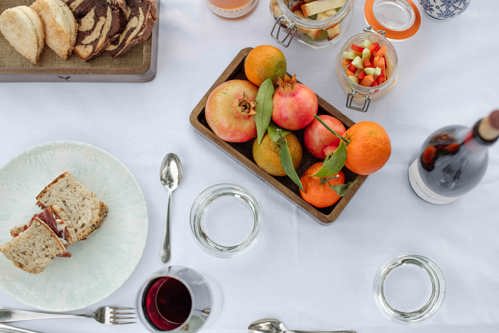
Bread quietly underpins Mallorcan cooking in ways that are easy to miss. Pa de pagès, a dense, country-style loaf, is the foundation of pa amb oli, just oil, salt and whatever's lying around, and thickens sopes mallorquines, a hearty winter soup built on cabbage, vegetables and stale bread rather than rice or pasta. Panades, small pies with a short, crumbly pastry, are traditionally stuffed with lamb, peas and sobrassada around Easter, while their sweeter cousins, crespells and robiols, fill village bakery windows during the same season. Arroz brut, a loose, soupy rice dish built on a rich broth of chicken, pork and wild mushrooms, rounds out a category of food that favours soul over spectacle.
Herbes Mallorquines: the island's favourite after-dinner ritual
No Mallorcan meal really ends without the offer of a small glass of herbes mallorquines, a herbal liqueur infused with local plants, fennel, rosemary, thyme and citrus peel, depending on whose family recipe you've landed on. It comes in dulce (sweet), seca (dry) or mixta versions, and functions a bit like a Mallorcan amaro: a digestif designed to gently usher a heavy meal into the past. Plenty of households still make their own, steeping herbs in aniseed spirit for weeks before bottling, which makes it one of the few delicacies on this list you genuinely cannot rush.
Salt, capers and the catch of the day
The coastline contributes its own pantry essentials. Sea salt harvested from the flats near Es Trenc has been collected for generations and prized for its clean, mineral edge. Capers grow wild along stone walls and dry hillsides, adding a sharp, briny punctuation mark to sauces and salads, particularly anything involving pork or olive oil. And from the waters off Sóller and the northwest coast come the island's prized red prawns, gambes de Sóller, best treated simply: a little salt, a hot pan, and nothing else getting in the way.
What ties all of this together, the oil, the honey, the wine, the sobrassada, is a landscape that has been quietly producing the same flavours for centuries, occasionally pausing for a phylloxera outbreak or a hundred-year nap. Staying somewhere like Son Bunyola Hotel & Villas, with its own bees, its own olives and its own freshly bottled Malvasia, offers a genuinely rare vantage point: not just a meal on a plate, but the slow, patient agriculture behind it. From there, the rest of Mallorca unfolds as one long, delicious itinerary, village markets, family bakeries and pantries stocked with products that haven't changed much in generations, and honestly, why would they.
Ready to taste it all for yourself? Book your stay at Son Bunyola Hotel & Villas and trade the usual holiday itinerary for one built around bee hives, olive terraces and a vineyard finally back in business, with the rest of Mallorca's edible riches just a short drive away.
Even more inspiration

Hidden Mallorca - The Island’s Most Picturesque Villages
Tucked between the rugged cliffs of the Tramuntana Mountains and the sparkling Mediterranean, Mallorca’s northwest coast is a patchwork of secret villages, terraced vineyards, and sun-drenched stone streets that seem untouched by time.

Our Ultimate Mallorca Destination Guide
Mallorca offers something for every traveller. Whether you are looking for relaxation, exploration, or adrenaline-fueled activities, this island promises an unforgettable experience.

Savour the Flavours: Foodie Holiday Breaks at Son Bunyola and Mont Rochelle
Son Bunyola in Mallorca and Mont Rochelle in Franschhoek, South Africa, blend breath-taking landscapes with exceptional culinary experiences, perfect for travellers who believe the best way to explore a region is through food.