

Natural happiness
Finding joy in the wild
There is a particular kind of happiness that only the natural world can give. Not the polished contentment of a perfect plan, but something older: the catch in your chest when a lioness pads past your tent at first light; the vertigo of standing at 3,000 metres with nothing between you and an ocean of white peaks; the silence of a Caribbean night broken only by bioluminescent water.
Across seven of the world's most spectacular landscapes, Virgin Limited Edition has assembled a collection of luxury retreats that don't merely sit beside nature, they dissolve into it. This is the case for wild travel.

Kenya: The Great Migration and the wilderness of Tsavo
Africa rearranges your sense of scale. Kenya does this twice over, first in the Masai Mara, where the savannah stretches further than the eye can follow and the Great Migration brings over a million animals to the Mara River between July and October; then again in Tsavo, where the landscape turns volcanic and ancient and the silence is a different, deeper kind entirely.
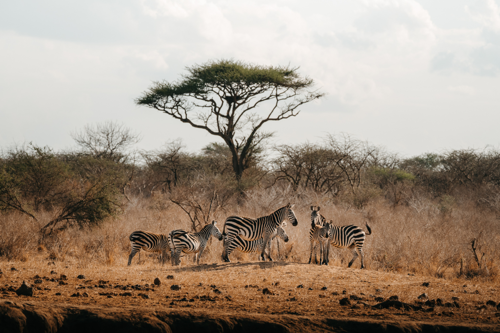
Mahali Mzuri sits on a valley ridge within the Olare Motorogi Conservancy, with 13,500 hectares of private, protected land shared between just five camps. That privacy is the point. Game drives here unfold without the vehicle congestion that can diminish the wider Mara experience; the conservancy's low density means encounters with lion, leopard, elephant, and the Migration itself feel genuinely intimate rather than managed. With just 12 tents, recently reimagined in warm, Maasai-inspired tones that draw on the colours and craft of the surrounding culture, the camp is as considered inside as the landscape is extraordinary outside.
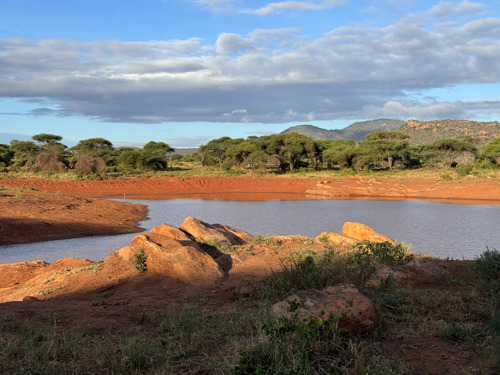
Finch Hattons in Tsavo West is a different Kenya entirely: more arid, volcanic, raw. This is one of Africa's oldest and largest national parks, a place of deep wilderness where the red elephants (their terracotta hue earned from Tsavo's distinctive soil) roam across landscapes shaped by ancient lava flows. The camp's 17 suites sit around natural springs that draw wildlife throughout the day; the 50-kilometre Shetani Lava Flow and uninterrupted views of Kilimanjaro give the setting a geological drama that the Mara, for all its spectacle, doesn't match.
A direct internal flight connects both camps in high season: two entirely different Kenyan experiences in one journey.
Best time to visit: July to October for the Migration; June to September for dry-season game viewing.
Atlas Mountains, Morocco: Trekking and mountain luxury
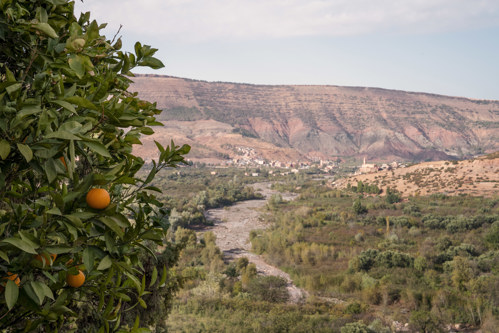
An hour from Marrakech, the Atlas Mountains open into a Morocco of silence, altitude, and extraordinary light. Jebel Toubkal, North Africa's highest summit, rewards a two-to-three-day trek from Imlil. The Todgha Gorge cuts 300 metres through rose-coloured rock. Ouzoud Falls cascade 110 metres through olive groves alive with Barbary macaques. The Aït Bouguemez Valley exists, apparently, entirely outside modern time.
Kasbah Tamadot is located near the village of Asni, its name meaning soft breeze in Berber, and the mountain air delivers exactly that. Guests can trek to Berber villages, ride e-bikes through juniper valleys, or lie by the infinity pool watching clouds catch on Toubkal's peak. Accommodation ranges from individually decorated rooms and suites within the main kasbah to private riads with pools and Berber tented suites with their own jacuzzis dotted through the gardens, each a world unto itself. And beyond the gates, the Eve Branson Foundation has been quietly transforming lives in the surrounding Amazigh communities since 2005, through craft, skills training, and a belief that the best travel leaves something meaningful behind.
Best time to visit: April to June and September to November for trekking; December to February for snow and atmosphere.
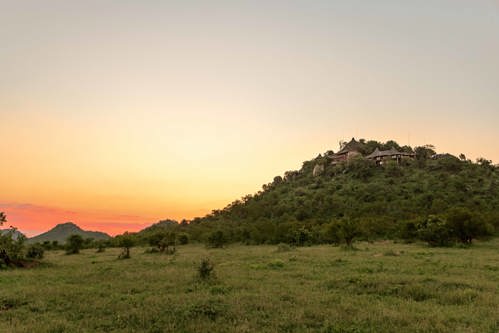
Sabi Sands, South Africa: Africa's premier safari reserve
The Sabi Sands shares an unfenced boundary with Kruger National Park, allowing wildlife to move freely across one of the continent's most biodiverse ecosystems. It is consistently ranked among the best places in Africa to see leopard at close quarters. Lion, elephant, buffalo, and the increasingly rare African wild dog are all part of the ecosystem; the seasonal Sand River watercourses concentrate wildlife and create prime conditions for photography, shifting dramatically between wet and dry seasons to offer something different on every visit.
Ulusaba Private Game Reserve - place of little fear in isiZulu - occupies a privileged position in the Sabi Sands, with two distinct lodges: Rock Lodge, perched on a rocky kopje with panoramic bush views stretching to the horizon, and Safari Lodge, nestled in riverine forest along a seasonal watercourse. Expert rangers lead open-vehicle game drives and guided bush walks through one of Africa's most celebrated wildlife ecosystems. Community programmes in skills training, employment, and conservation education are woven into the reserve's DNA: the happiness here is circular, and genuinely so. Ulusaba is currently being thoughtfully reimagined and will reopen in April 2027, better than ever.
Best time to visit: All year round
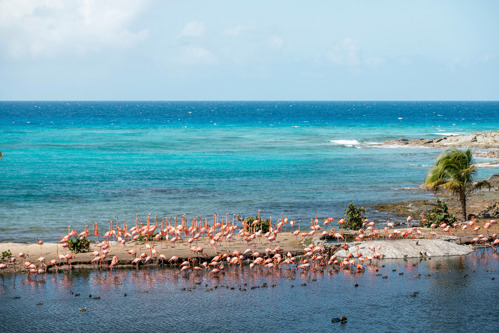
British Virgin Islands: Private island paradise
The British Virgin Islands belong to a kind of beauty that refuses to sit still for photographs. Light dances differently here spilling across turquoise water by day, then softening into gold, rose, and a deep, velvety blue by night. Beneath the surface, coral gardens centuries in the making quietly thrive, while certain hidden coves shimmer after dark with bioluminescent glow, like the sea has learned a little magic.
At The Baths on Virgin Gorda, giant granite boulders form dreamlike sea-level grottoes you can wander through barefoot, as if nature decided to build its own sculpture gallery. Out on Anegada, the vast Horseshoe Reef stretches wide and wild - one of the Caribbean’s largest barrier reefs, and a playground for divers, dreamers, and anyone who likes their horizons uninterrupted.
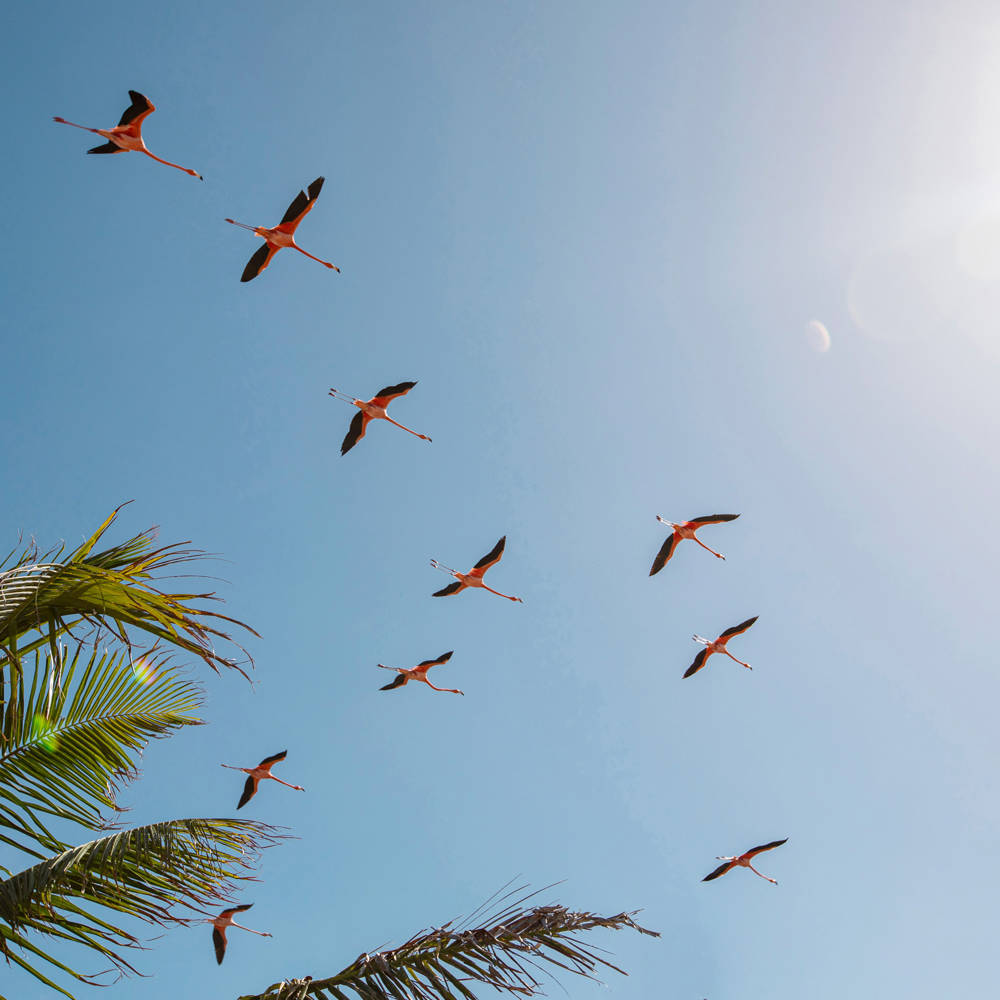
Then there’s Necker Island: 74 acres of private island escapism from Virgin Limited Edition, where the pace of life is set not by schedules, but by sun, sea, and the occasional flamingo crossing your path. Over 600 of them, in fact. Add in seven species of mischievous lemurs, slow-moving Aldabra giant tortoises, and rock iguanas casually claiming the best sunbathing spots, and you start to realise: here, you’re the guest in their world.
Between November and April, the surrounding waters offer another quiet spectacle with humpback whales passing through, their presence felt more than announced. It’s the kind of moment that sneaks up on you and stays long after you’ve left.
If you can tear yourself away, the wider BVI rewards exploration. Glide through mangrove channels by kayak and you’ll find a hidden nursery teeming with life: juvenile fish, darting crabs, and birds moving through a landscape that feels ancient, untouched, and improbably peaceful.
A short boat ride away, The Branson Beach Estate on Mosquito Island offers a slightly different rhythm. Smaller, quieter, and perhaps even more intimate, it leans fully into the BVI’s natural cadence: trade winds whispering through palms, waves folding into shore, and blues of the sea you didn’t know existed until now. It’s the kind of place where time doesn’t stop, it just stops mattering.
Best time to visit: December to April for sunshine and settled seas; November to April if whale watching is on your wish list.
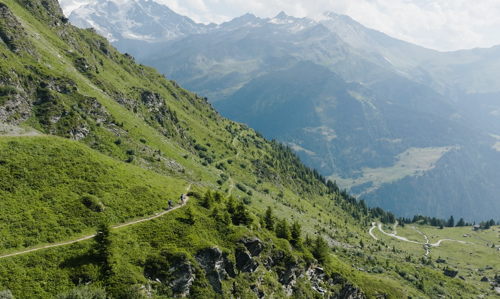
Swiss Alps, Verbier: Wild geometry & Alpine magic
The Alps don’t try to charm you, they simply exist, vast and precise, like nature at its most sculptural. Jagged peaks, glacial light, and air so crisp it feels newly made. From Verbier, the cable car climbs to Mont Fort glacier at 3,330 metres, where the Matterhorn, Mont Blanc, and Grand Combin rise across the horizon. Below, the Val de Bagnes shifts with the seasons: wildflower meadows in summer, snow-laced stillness in winter, and ibex moving effortlessly along impossible slopes. Higher up, Lac des Vaux and Lac de Louvie reflect the mountains in perfect stillness, while the Great St Bernard Pass carries centuries of footsteps through this stark, beautiful landscape.
At the centre of it all is The Lodge Verbier, Virgin Limited Edition’s intimate eight-bedroom private chalet in the heart of Verbier. Think log fires, spa treatments, a serious wine cellar, and a team who know the mountain intimately. In winter, 400 km of interconnected pistes stretch in every direction; in summer, the same terrain becomes a paradise for hiking and mountain biking. A home in the Alps rather than a hotel, and all the better for it.
Best time to visit: December to April for skiing; June to September for hiking, cycling and wildflower season.
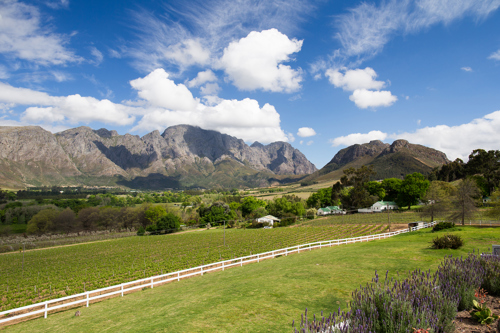
Franschhoek: Mountain Valleys & Fynbos Wilderness
Franschhoek, the French Corner, sits quietly among some of South Africa’s most dramatic landscapes. While its history traces back to Huguenot settlers in the 1680s, it’s the natural setting that truly defines it. The surrounding mountains are blanketed in fynbos - one of the world’s most biodiverse plant kingdoms - alive with colour, scent, and constant change.
The Mont Rochelle Nature Reserve stretches above the valley, with over 30 km of hiking trails winding through rugged slopes and panoramic viewpoints. Below, the valley floor unfolds in a patchwork of cultivated land and wild edges; an interplay of nature and time that feels both ancient and carefully held.
Set within this landscape, Mont Rochelle Hotel and Vineyard sits among working vineyards with sweeping views across the valley toward the nature reserve. The 26-bedroom property feels immersed in the scenery: mountains rising ahead, light shifting constantly, and a quiet sense of space. Days here lean naturally outdoors: hiking into the reserve, cycling quiet valley roads, or simply watching the light move across the slopes. The estate’s long history adds depth, but it’s the setting that stays with you: wide skies, textured mountains, and a landscape that moves at its own, unhurried pace.
Best time to visit: October to April for warm, sunlit days and vibrant fynbos; August to October for green valleys and seasonal wildflowers.
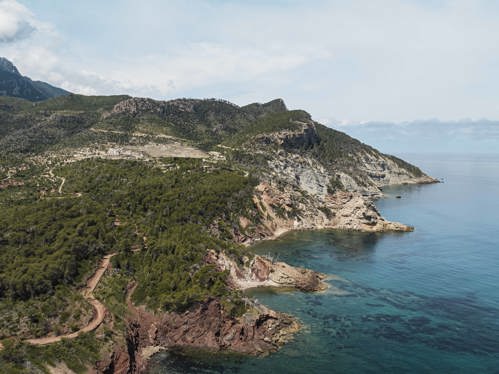
Tramuntana Mountains, Mallorca: Mediterranean Wildness
Mallorca’s Serra de Tramuntana stretches along the island’s northwest coast in a sweep of limestone peaks, pine forests, and ancient olive groves. Shaped over millennia by wind, water, and human hands, its dry-stone terraces and winding paths feel both natural and enduring, part wilderness, part quiet collaboration with time.
Along the coast, the dramatic Sa Foradada cuts a clean arc through the cliffs, a defining feature of this rugged shoreline. Inland, villages like Valldemossa and Deià sit gently within the landscape; stone, mountain, and vegetation blending into something that feels almost inevitable. Between them, hidden coves and stretches of unspoilt Mediterranean coastline add another layer of quiet abundance.
Set within 810 acres of this protected landscape, Son Bunyola Hotel and Villas feels deeply rooted in its surroundings. A restored 16th-century finca anchors the estate, with views that shift between mountain ridgelines and open sea. The land itself is part of the experience; olive trees, beehives, wandering donkeys, and regenerating vineyards creating a slow, natural rhythm. Paths lead out into the Tramuntana, while the coastline below offers a more elemental contrast. Even the hotel’s historic olive mill has been thoughtfully repurposed, keeping a connection to the landscape’s long agricultural life.
Best time to visit: April to June and September to October for hiking and cycling; July to August for full Mediterranean summer.
From the Mara's great migration to a Mallorcan sunset; from Verbier's glaciers to the bioluminescent waters of the BVI, what unites these places is the invitation they extend. Step outside, pay attention, be astonished.


Even more inspiration

Step into the wild: Walking safaris with Virgin Limited Edition
For travellers who crave a deeper connection to Africa’s wild heart, there is no better way to experience the bush than on foot. Virgin Limited Edition’s portfolio of safari exclusive retreats - Finch Hattons, Mahali Mzuri, and Ulusaba - invites guests to step beyond the safari vehicle and into an immersive world where every footprint, rustle, and birdsong tells a story.

Birdwatching in Tsavo: A Symphony of Wings at Finch Hattons
Tsavo West National Park is the perfect location for birdwatching in Kenya. With its striking landscapes - from volcanic hills and lava fields to wetlands and acacia woodlands - Tsavo supports an astonishing array of birdlife.